⌖Panchakarma expert in Patna
Looking for a Panchakarma expert in Patna?
Panchakarma planned and supervised by a BAMS doctor, at Sabka Ved Wellness in Patna. Assessment comes first, contraindications are checked properly, and therapy is chosen for your body, not picked from a menu.
- BAMSQualified physician
- 5+ yrsExperience
- 100+Patients, incl. internship
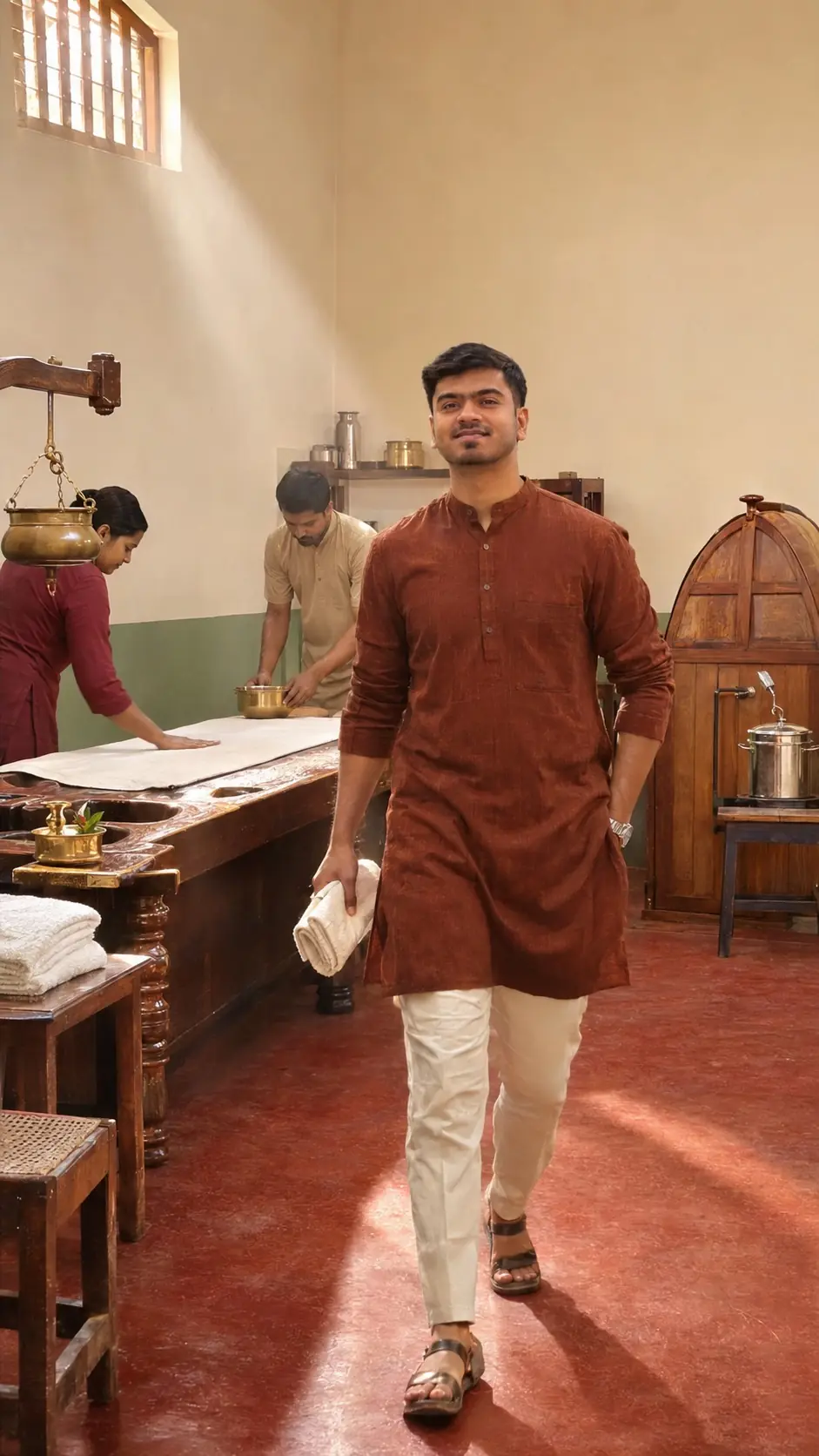
Search for Panchakarma in Patna and you will find everything from proper Ayurvedic treatment centres to spas offering "Panchakarma massage" by the hour. They are not the same thing. Panchakarma is a medical process in Ayurveda, meant to be planned and supervised by a qualified doctor, with preparation before and careful diet after. A relaxing oil massage on its own can be pleasant, but it is not Panchakarma. When people search for a Panchakarma expert, what they really need is a doctor who decides whether they should have it at all, and if so, which procedures, in what order, for how long.
Dr. Aditya Kunal is a BAMS (Bachelor of Ayurvedic Medicine and Surgery) physician in Patna with 5+ years of experience. He has treated 100+ patients, including during his clinical internship. He is an Ayurvedic doctor with a special focus on gut and metabolic health, and Panchakarma for his patients is carried out at Sabka Ved Wellness, his Panchakarma centre in Patna. Every plan there begins with his assessment.
What Panchakarma actually means. The word means "five actions". The classical five are vamana (therapeutic vomiting), virechana (therapeutic purgation), basti (medicated enema), nasya (medicines given through the nose) and raktamokshana (bloodletting, which is used rarely and only in specific situations). Before these main procedures comes purva karma, the preparation: snehana, where medicated ghee or oil is given internally and applied externally, and swedana, sweating therapy. After the main procedure comes paschat karma, a graded diet that slowly rebuilds digestion, usually starting with thin rice gruel and moving up to normal food over several days. Supportive therapies such as abhyanga (oil massage), shirodhara (a steady stream of warm oil on the forehead) and various local treatments are often used alongside, depending on the person.
Why assessment comes first. Panchakarma is not a one-size package. Two people with the same complaint of acidity or joint stiffness may need very different plans, and some people should not have the main procedures at all. During assessment Dr. Aditya takes your full history, examines you, reviews your reports and lists every medicine you take. He looks at your strength, digestion, age, the season (Patna summers and the heavy monsoon change what is suitable), and your current illness. Classical texts themselves insist that a person must have enough strength to tolerate purification and that indications and contraindications are weighed before starting. Only then does he decide whether you need a full course, a milder plan with just external therapies, or no Panchakarma for now.
Contraindications he checks carefully. Main Panchakarma procedures are usually avoided or postponed in pregnancy; during an acute fever, infection or diarrhoea; in people who are very weak, underweight or recovering from recent surgery or a serious illness; in uncontrolled high blood pressure, uncontrolled diabetes, heart disease with symptoms, or significant kidney or liver disease; when there is active bleeding; and in very young children or frail elderly people for the stronger procedures. Some procedures are also avoided during menstruation. If you take blood thinners, insulin or several medicines for blood pressure, heart or sugar, he has to know before anything is planned, and he may want your treating doctor's view first. He will never ask you to stop a prescribed medicine.
When to see an MBBS doctor first. If you have chest pain, breathlessness, fainting, vomiting blood, black stools, sudden severe pain, high fever, unexplained weight loss or very high sugar readings, go to a hospital or MBBS doctor before thinking about Panchakarma. Panchakarma is for stable people who want deeper Ayurvedic care, not for emergencies.
Who it is commonly used for. In practice, people come to Sabka Ved Wellness for long-standing digestive trouble like acidity, bloating and constipation, lifestyle-related weight and metabolic concerns, stiffness and joint discomfort, skin complaints, and stress with poor sleep, where shirodhara and abhyanga are often used. Some come for a seasonal routine, as Ayurveda traditionally suggests certain therapies at the turn of seasons. For stress and sleep in particular, you can read more on the stress, sleep and anxiety page. Panchakarma is used for these concerns to support the body, not as a promise of a fixed result.
What research shows. Good quality trials on Panchakarma are still limited. One controlled study published in Scientific Reports in 2016 followed healthy adults through a six-day Panchakarma-based programme with vegetarian diet, herbs, yoga, meditation and massage, and found measurable changes in certain blood lipid-related metabolites compared with a group on a regular holiday. The authors themselves called the findings hypothesis-generating and suggested the diet may have driven much of the change. The WHO benchmarks for Ayurveda practice stress trained providers, proper facilities and safety standards. The fair summary: Panchakarma is a serious traditional therapy with early research behind it, and it should be done by trained people under a doctor, not casually.
What to expect at your first visit. Expect a long conversation and an examination, not a same-day therapy session. Bring your reports, medicine list and a note of your diet and sleep. If Panchakarma suits you, he explains which procedures he recommends, how many days, what you will eat, what you must avoid (heavy travel, late nights, cold drinks, heavy outside food), and how you may feel during the process. Some days of a course can feel tiring; that is why the diet and rest instructions matter.
Follow-up after Panchakarma. The days after the main procedure are when the benefit is protected or lost. He reviews you after the course, guides the step-by-step return to normal food like dal, rice, roti and sabzi, and sets a simple routine you can keep at home. Many patients then continue with regular consultations for diet and lifestyle.
Location and booking. Consultations happen at the clinic at Anand Enclave, Adivashi Colony, Kumhrar, right next to Bajrangpuri, convenient for people from Kankarbagh, Agam Kuan, Gulzarbagh and Patna City. Visits are by appointment on +91 91020 00359 (call or WhatsApp). If you are outside Patna and want to know whether Panchakarma suits you before travelling, an online video consultation of 30 minutes for Rs 399 is a sensible first step.
What you get with Dr. Aditya
- Doctor-led: every plan starts with assessment by a BAMS physician
- Contraindications checked before any main procedure
- Done at Sabka Ved Wellness, his Panchakarma centre in Patna
- Preparation, main procedure and graded diet explained clearly in advance
- Your current medicines reviewed, never stopped on his advice
- Supportive therapies such as abhyanga and shirodhara chosen to suit you
- Clinic in Kumhrar next to Bajrangpuri; online first opinion at Rs 399
Panchakarma for Bajrangpuri, Kumhrar and the rest of Patna
Assessments are done at Anand Enclave, Adivashi Colony, Kumhrar, Patna 800007, a few minutes from Bajrangpuri (Bajrang Puri), and therapy is carried out at Sabka Ved Wellness, his Panchakarma centre in Patna. Details of the centre are at panchakarma.dradityakunal.com.
People from Kumhrar, Kankarbagh, Agam Kuan, Gulzarbagh and Patna City find it practical because a Panchakarma course needs several visits close together. Everything is by appointment, so please call or WhatsApp +91 91020 00359 first.
If you live outside Patna, a 30 minute online video consultation for Rs 399 can tell you whether Panchakarma is suitable before you plan your stay.
Frequently asked questions
Is Panchakarma the same as an Ayurvedic massage?
No. Panchakarma is a doctor-planned process with preparation (oleation and sweating), main procedures such as virechana, basti or nasya, and a graded diet afterwards. Massage may be part of it, but on its own it is not Panchakarma.
Who should not have Panchakarma?
Main procedures are usually avoided or postponed in pregnancy, acute fever or infection, severe weakness, recent surgery, uncontrolled blood pressure or diabetes, symptomatic heart disease, serious kidney or liver disease and active bleeding. Your assessment decides what is safe for you.
Do I need a consultation before booking therapy?
Yes. Every plan at Sabka Ved Wellness starts with an assessment by Dr. Aditya Kunal, BAMS. Some people are advised only gentle external therapies, and some are advised to wait.
Can I continue my regular medicines during Panchakarma?
Tell him about every medicine you take. He never asks patients to stop prescribed medicines, and for some conditions he may want your treating doctor's input before planning procedures.
How long does a Panchakarma course take?
It depends on the procedures chosen, your strength and your condition. He explains the number of days, the diet and the rest needed before you begin.
Where is it done and how do I book?
Assessment is at the Kumhrar clinic near Bajrangpuri and therapy is at Sabka Ved Wellness in Patna. Call or WhatsApp +91 91020 00359, or start with an online consultation at Rs 399.
Sources and further reading
Other Ayurvedic experts in Patna

→Book your consultation
Start with one honest conversation.
Thirty unhurried minutes with Dr. Aditya, in Patna or on video. You leave with a written plan and a date to check back in.