⌖Gut health expert in Patna
Looking for a gut health expert in Patna?
Dr. Aditya Kunal is a BAMS Ayurvedic doctor in Patna with a special focus on gut health: acidity, gas, bloating, IBS and constipation. He checks for warning signs first, then builds a food and routine plan you can follow at home.
- BAMSQualified physician
- 5+ yrsExperience
- 100+Patients, incl. internship
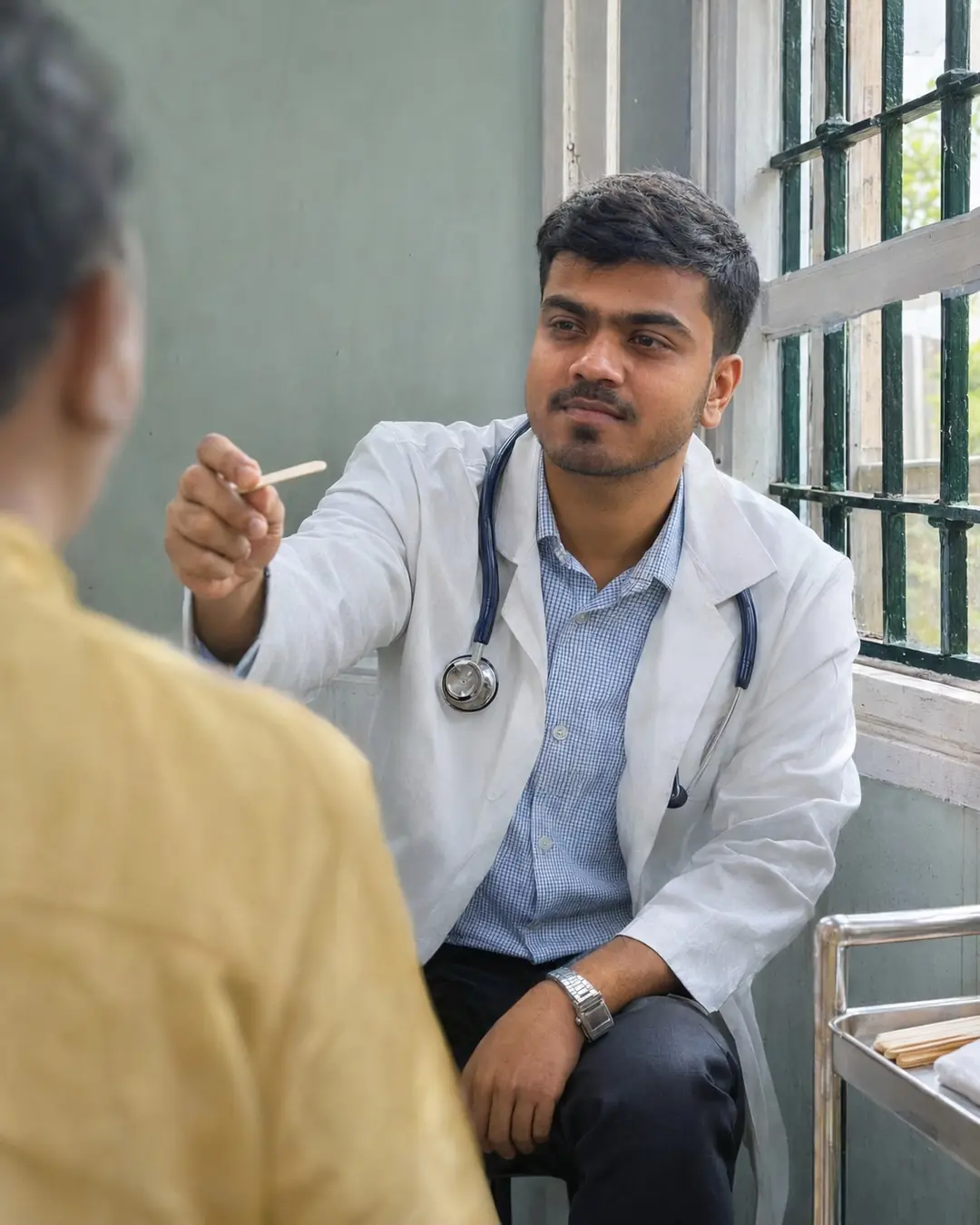
Most people who search "gut health expert in Patna" have been dealing with the same stomach trouble for months, sometimes years. It might be burning in the chest after morning chai on an empty stomach, a tight balloon of gas by evening, sour burps after a wedding dinner of puri, paneer and gulab jamun, or days when the toilet visit simply does not happen. Some have been told they have IBS. Many have tried antacid syrups, digestive churans from the market and advice from every relative, and they are tired of switching between them. What they want is a doctor who listens properly, checks that nothing serious is being missed, and then gives a clear daily plan. Dr. Aditya Kunal, BAMS, is an Ayurvedic doctor in Patna with a special focus on gut and metabolic health, and digestion is the area he spends most of his consultation time on.
Before any Ayurvedic plan, he looks for signs that need an MBBS doctor or gastroenterologist first. Please do not wait or self-treat if you notice blood in your stool, black or tar-like stools, vomiting blood, weight loss you cannot explain, difficulty or pain while swallowing, food sticking in the throat, vomiting that keeps coming back, pain that wakes you at night, fever with abdominal pain, or signs of anaemia such as breathlessness and pale skin. If you are over 45 and these digestive symptoms are new for you, or if a close family member had stomach or bowel cancer, see a gastroenterologist first. They may advise an endoscopy, colonoscopy or blood tests. Dr. Aditya would much rather send you for a test that comes back normal than treat something that needed a different doctor. Once serious causes are ruled out, Ayurveda and lifestyle work have a lot to offer.
The assessment itself is detailed. He asks what time you wake, when and what you eat, how much water you drink, how many cups of chai and with how much sugar, how your stool looks and how often, whether stress before office meetings or exams changes your stomach, and how you sleep. He also checks every medicine you take, because some common ones affect the gut: painkillers can aggravate acidity, iron tablets can cause constipation, and some people have been on acid-reducing tablets for years without review. Your prescribed medicines continue; if something seems to be contributing, he will ask you to discuss it with the doctor who prescribed it.
In Ayurveda, digestion is described through agni, the digestive fire. When agni is weak (mandagni), food sits heavy and you feel bloated and sluggish. When it is too sharp (tikshnagni), Pitta rises and you get burning and acidity. When it is irregular (vishamagni), Vata takes over and you get gas, cramping and alternating constipation and loose stools, which is a pattern many people with IBS will recognise. Undigested residue, called ama, is linked with heaviness, coated tongue and low appetite. This framework helps him decide whether your plan needs cooling, warming, lighter meals or more regularity. In practice that can look like eating dinner by 8 pm instead of 10:30 pm, not lying down for two hours after meals, a glass of thin spiced buttermilk with lunch, jeera or ajwain water for gas, warm water through the day, a fixed toilet time in the morning, and slowing down how fast you eat. For constipation, he looks at fibre and fluids first, using everyday foods like sattu, dal, seasonal sabzi, fruit and soaked raisins before anything else. Ayurvedic medicines are added only where they are suitable for you and after checking them against your current medicines.
What does modern evidence say? The American College of Gastroenterology guideline on IBS supports making a positive diagnosis from symptoms with limited testing when there are no warning signs, and it recommends approaches such as soluble fibre, a limited trial of a low FODMAP diet and gut-directed psychological therapies, alongside medicines where needed. That fits well with the routine-first approach Dr. Aditya uses. The joint ACG and Canadian guideline on dyspepsia recommends testing for H. pylori infection in many people with ongoing upper stomach symptoms, so if your history suggests it, he will ask you to get that test done through an MBBS doctor. Research on specific Ayurvedic formulations for IBS and acidity exists but is still limited, so he presents them as possible support, not proven treatment.
Gut health is also tightly linked with stress and sleep. Many people in Patna notice their stomach is worst during exam season, office deadlines or family pressure, and calmer on holidays. That is not imagination; the gut and brain talk to each other constantly. So the plan often includes a simple breathing routine, an earlier bedtime and less phone use late at night, not because these are trendy, but because they change how your gut behaves the next morning.
At the first consultation, bring any reports you have: blood tests, ultrasound, endoscopy or colonoscopy reports, H. pylori test results and a list of all medicines and supplements. A simple three-day food and toilet diary is very useful. The online video consultation is Rs 399 for 30 minutes in Hindi or English, and in-person visits at the clinic are by appointment. You leave with a written plan covering meal timing, what to add, what to reduce, daily routine, and any medicine with clear instructions. More detail is on the digestion, acidity and IBS page.
Follow-ups are usually after two to four weeks for acidity and gas, and slightly longer for IBS and long-standing constipation, because those take time to settle. He tracks your symptoms against the diary, adjusts foods that seem to trigger flare-ups, and slowly simplifies the plan so it becomes normal life rather than a strict diet. If anything new appears, such as a red flag sign, he will send you to a gastroenterologist without delay.
The clinic is at Anand Enclave, Adivashi Colony, Kumhrar, next to Bajrangpuri, a short ride from Kankarbagh, Agamkuan and Patna City. If you live elsewhere in Bihar or simply cannot take time off, the online consultation works just as well for most digestive problems.
What you get with Dr. Aditya
- BAMS Ayurvedic doctor with a special focus on gut and metabolic health
- Red flag check first, with referral to a gastroenterologist when needed
- Has treated 100+ patients, including during his clinical internship, with 5+ years of experience
- Plans for acidity, gas, bloating, IBS and constipation built around Indian meals and timing
- Ayurvedic medicines only where suitable and checked against your current medicines
- Stress and sleep included in the plan, not ignored
- Online video consultation Rs 399 for 30 minutes, in Hindi or English
- Clinic in Kumhrar, right next to Bajrangpuri, by appointment
Gut health care near Bajrangpuri and Kumhrar, Patna
Dr. Aditya Kunal sees patients at Anand Enclave, Adivashi Colony, Kumhrar, Patna, Bihar 800007, beside Bajrangpuri (Bajrang Puri). Visits are by appointment; call or WhatsApp +91 91020 00359 to book a time. Patients come from Kankarbagh, Patna City, Agamkuan and the surrounding colonies.
For people who travel for work or live outside Patna, the 30 minute online video consultation costs Rs 399 and can be booked at superprofile.bio/bookings/dradityakunal. Send your reports and food diary on WhatsApp beforehand.
Where a structured cleansing therapy is suitable, he may suggest Panchakarma at Sabka Ved Wellness, his Panchakarma centre in Patna. It is advised only after an assessment, never as a first step for someone with red flag symptoms.
Frequently asked questions
When should I see a gastroenterologist instead?
Go to an MBBS doctor or gastroenterologist first if you have blood in stool, black stools, weight loss you cannot explain, difficulty swallowing, repeated vomiting, or if you are over 45 and the symptoms are new.
Can Ayurveda help with IBS?
Diet, routine, stress and sleep changes may support fewer flare-ups, and some Ayurvedic medicines are used for IBS symptoms. Evidence for specific herbs is still limited, so progress is tracked carefully over weeks.
I have been taking antacid tablets for years. Should I stop them?
Do not change prescribed medicines on your own. Dr. Aditya will review them with you and suggest you discuss any change with the doctor who prescribed them.
What should I eat for gas and bloating?
It depends on your pattern, but common starting points are an earlier dinner, slower eating, thin spiced buttermilk with lunch, warm water, and noticing which foods trigger you. Your plan is personalised at the consultation.
Which reports should I bring?
Any blood tests, ultrasound, endoscopy or colonoscopy reports, H. pylori results, a medicine list and, ideally, a three-day food and toilet diary.
What does the online consultation cost?
The online video consultation is Rs 399 for 30 minutes, in Hindi or English. Book at superprofile.bio/bookings/dradityakunal or WhatsApp +91 91020 00359.
Sources and further reading
Other Ayurvedic experts in Patna

→Book your consultation
Start with one honest conversation.
Thirty unhurried minutes with Dr. Aditya, in Patna or on video. You leave with a written plan and a date to check back in.