→Diabetes and Blood Sugar
Ayurvedic Treatment for Diabetes in Patna
Your report says HbA1c 7.8 and the advice you got was a printed diet sheet and a new tablet. Ayurvedic treatment for diabetes in Patna, done properly, starts somewhere else: your plate, your meal timings, your sleep and your stress. Dr. Aditya Kunal (BAMS) builds that plan with you, in person near Bajrang Puri or online, and it always runs alongside the medicines your physician prescribes.
In person in Patna, or online from anywhere in India.
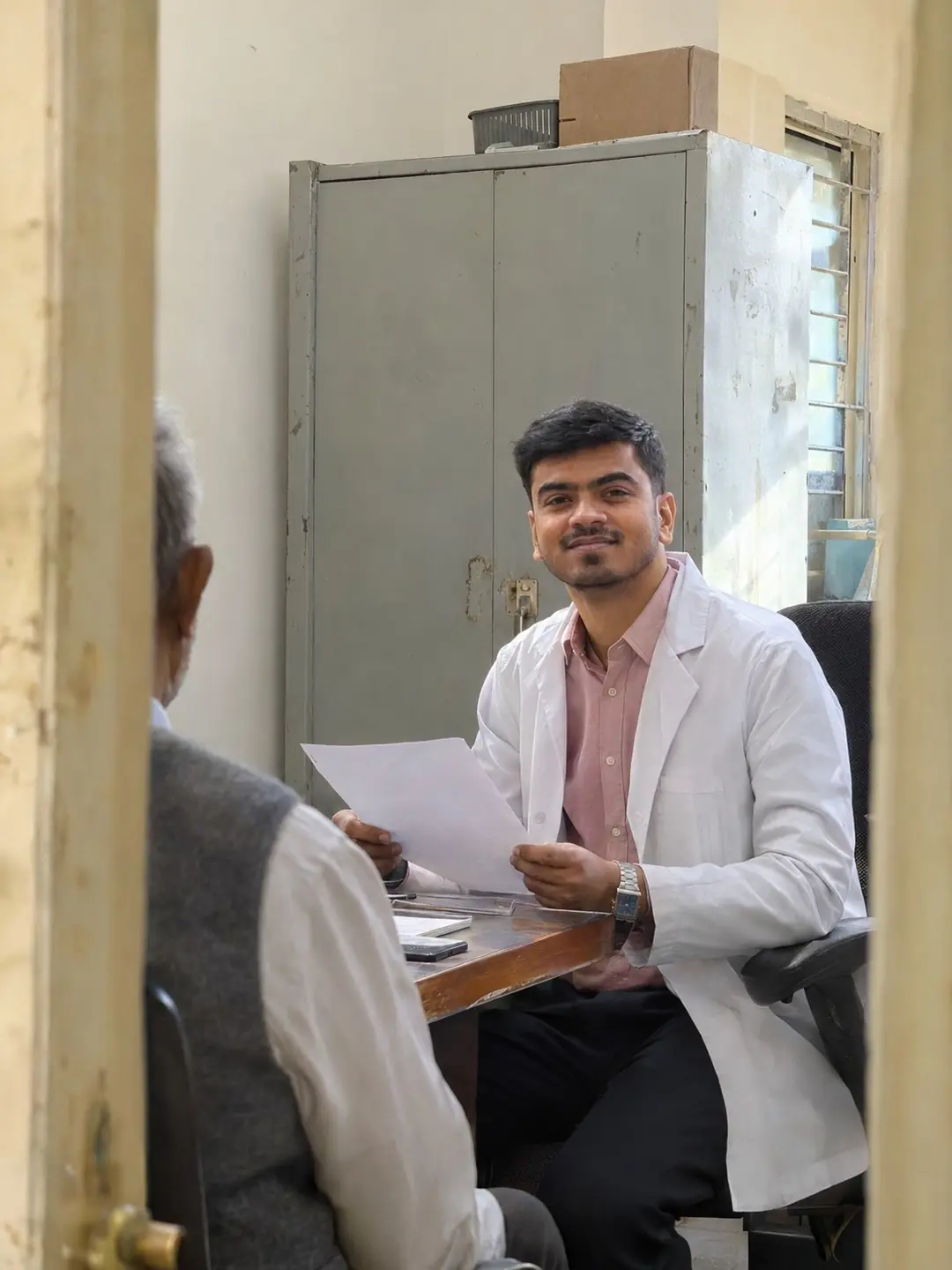
Most people who walk in with diabetes already know the basics. Less sugar, more walking, take the tablets. What they lack is a plan that fits a Bihari kitchen, a long workday and a family that eats rice twice a day. That gap is where an Ayurvedic consultation earns its place.
This page explains what Ayurvedic diabetes care actually involves at our practice, what it can and cannot do, what a first visit looks like and how to start whether you live in Patna or anywhere else in India.
What Ayurvedic treatment for diabetes really means
Classical Ayurveda describes a group of urinary and metabolic disorders called prameha (excess or abnormal urination), and its most advanced form, madhumeha (literally "honey urine"), maps closely to what we now call diabetes. The classical texts link it to heavy, sweet and oily food, daytime sleep, lack of exertion and weak digestion. Read that list again: it is close to the modern risk profile of type 2 diabetes.
So the Ayurvedic approach is not a secret powder. It is a structured way of working on the habits that drive blood sugar, using three tools:
- Ahara (food): what, how much and in which order you eat.
- Vihara (lifestyle): sleep window, movement, meal gaps and stress.
- Aushadha (medicine): herbs and formulations, only where suitable and only after checking your current medicines and reports.
The World Health Organization notes that a healthy weight, at least 150 minutes of moderate activity a week, a diet low in sugar and saturated fat, and not smoking can prevent or delay type 2 diabetes. Ayurveda's daily routine (dinacharya) is built on the same pillars, which is why the two approaches fit together better than people expect.
The honest part: support, not a cure
No honest doctor promises to cure diabetes, and we do not. Type 2 diabetes is a long-term condition. What good lifestyle care can do is help many people achieve steadier day-to-day readings, fewer spikes, better energy and a clearer relationship with food. Any change to insulin or tablets must come from the physician treating your diabetes, after reviewing your reports. Please never stop or reduce a medicine on your own. If you want the longer version of this argument, read our article on whether Ayurveda can cure diabetes.
Who this service is for
Patients usually come to us at one of four points:
- Prediabetes or borderline sugar. Fasting sugar creeping up, HbA1c in the grey zone, a parent with diabetes. This is the stage where habits move the needle most. Our guide to prediabetes and insulin resistance explains why.
- Newly diagnosed type 2 diabetes. You have started medicines and want to understand food and routine properly.
- Long-standing diabetes with poor control. Several tablets, readings still swinging, tired after every meal.
- Diabetes with other metabolic issues. Fatty liver, high cholesterol, weight gain, acidity or constipation sitting alongside high sugar.
Type 1 diabetes, gestational diabetes and diabetes in children need specialist medical care first. We can offer general diet and routine support only in coordination with the treating doctor.
What happens at your first consultation
A first visit runs about 30 minutes. Bring or upload your last few reports (fasting and post-meal sugar, HbA1c, lipid profile, kidney and liver function if done) and a list of every medicine and supplement you take.
What Dr. Aditya looks at
- Your meal timings, portion pattern and the specific foods that spike you.
- Sleep and wake times, daytime naps and late dinners.
- Digestion: appetite, heaviness after food, gas, stool pattern. Ayurveda calls this your agni (digestive fire), and weak agni shows up in sugar control.
- Stress, work hours and how much you actually move in a day.
- Your body constitution (prakriti) and the current imbalance, which shapes the details of the plan.
- Your medicines, so nothing in the plan clashes with them.
What you leave with
- A written meal structure built around foods you already eat.
- Two or three routine changes to start this week, not twenty.
- Herb or formulation advice only if it suits your case, with clear notes on safety.
- A follow-up date, usually two to four weeks out, so the plan adjusts with your readings.
A Bihari plate, rebuilt for steadier sugar
Nobody in Patna is going to live on salads. The goal is to rebuild the plate you already love so it raises sugar more gently. Here is how common meals change:
| Usual meal | Steadier swap | Why it helps |
|---|---|---|
| Big plate of rice, dal, aloo bhujia | Smaller rice portion, more dal, a green sabzi, salad first | Fibre and protein first slow the rise after the meal |
| Poha or bread with sweet chai | Sattu drink without sugar, or besan chilla with curd | Sattu and besan bring protein and fibre |
| Litti chokha with lots of ghee | Litti with extra chokha, a small spoon of ghee | Keeps the meal, trims the load |
| Evening samosa or namkeen | Roasted chana or makhana | Crunch without refined flour and deep frying |
| Late dinner at 10:30 pm | Lighter dinner by 8 to 8:30 pm | Longer overnight gap, better morning readings for many |
Millets like jowar, bajra and ragi can replace part of your wheat or rice, and they suit many people well. Our article on millets for blood sugar covers which ones to start with and how to cook them so the family actually eats them.
Foods you will hear about in Ayurveda
Methi (fenugreek), jamun, karela, amla, turmeric and cinnamon appear again and again in traditional guidance. Some have encouraging early research and some have very little. Amounts matter, quality matters, and a few can add to the effect of diabetes medicines and push sugar too low. That is exactly why we do not hand out a generic list of "sugar-killing" herbs. Anything we suggest is chosen for you, checked against your current medicines and reviewed at follow-up.
Routine changes that matter more than any single food
In our experience, the patients who see the steadiest progress are rarely the ones who found a magic food. They are the ones who fixed their rhythm. These are the changes we lean on most:
- Regular meal times. Long gaps followed by a huge meal are one of the most common causes of big swings.
- A 10 to 15 minute walk after meals. Around the colony, on the terrace or along the Ganga path on Marine Drive. Short walks after eating help many people.
- A fixed sleep window. Poor sleep and late nights push sugar up the next day. Aim for 7 to 8 hours, ideally lights out before 11 pm.
- No heavy daytime sleep. Classical texts specifically list divaswapna (daytime sleep) as a contributor to prameha. A short rest is fine; a two-hour afternoon nap after lunch is not.
- Stress handling you will actually do. Five minutes of slow breathing or pranayama before dinner is better than an hour of yoga you skip.
Your practical 7-day starter checklist
Before your first visit, or while you wait for follow-up, try this. It is safe for most people on standard treatment, but check with your doctor if you take insulin or have frequent low sugar episodes.
- Write down everything you eat for 3 days, with times. No judging, just data.
- Eat your salad or sabzi first, dal or protein second, rice or roti last.
- Cut sweet chai to one cup a day, then switch to less sugar.
- Walk 10 minutes after lunch and dinner.
- Finish dinner by 8:30 pm on at least 5 of 7 days.
- Note your fasting and post-meal readings as your doctor has asked you to.
- Bring the log to your consultation. It makes the plan far more precise.
How Ayurveda and your diabetes medicines work together
This is the question we get most, often with some fear behind it. Patients worry that Ayurvedic care means abandoning their tablets, or that their physician will be angry. Neither is true here.
| Your physician handles | Your Ayurvedic plan adds |
|---|---|
| Diagnosis, medicines, insulin, dose changes | Food structure built around your kitchen |
| Kidney, eye, heart and foot screening | Daily routine: meal timing, walking, sleep |
| Emergencies and complications | Digestion and stress support |
| Interpreting reports for treatment decisions | Regular check-ins to keep habits going |
The US National Center for Complementary and Integrative Health advises that Ayurvedic products should never be used to delay seeing a conventional doctor, and that patients should tell all their providers about everything they take. It also warns that some poorly made products have been found with heavy metals. We agree on all counts. We do not sell products, and any formulation we suggest is from a known, licensed manufacturer.
When to see a hospital, not an Ayurvedic doctor
Go to an emergency department straight away, such as PMCH, IGIMS or AIIMS Patna, if you have very high readings with vomiting, drowsiness, confusion or fast breathing, or very low sugar with sweating, shaking or fainting. Also seek prompt medical care for a foot wound that is not healing, sudden vision changes or chest pain. Lifestyle care is for the long game, not for emergencies.
Seeing Dr. Aditya in Patna or online
The clinic is near Bajrang Puri, and patients come from right across the city. Many families who visit us from Bajrang Puri and nearby lanes walk in after work, while patients managing sugar in Kankarbagh and Rajendra Nagar often book a fixed slot so it fits around office hours.
If travel is hard, or you live outside Patna, an online Ayurvedic consultation works well for diabetes because most of the plan is built from your history, your reports and your daily routine. A 30 minute video call costs Rs 399. You get the same written plan and follow-up rhythm as an in-person visit.
Diabetes often travels with weight gain, and the two plans overlap heavily. If that is your situation, our page on Ayurvedic weight management explains how we combine them.
What progress usually looks like
Follow-ups are short and practical. We look at your log, your latest readings and what felt hard, then change one or two things rather than rewriting the whole plan. Small, repeatable steps are what survive weddings, festivals and exam seasons in the family.
Expect the first two to three weeks to be about building the habit, not about dramatic numbers. Many patients notice better energy after meals and fewer cravings first. Readings and HbA1c take longer to reflect change, since HbA1c reflects roughly the last three months. Your physician reviews those numbers and decides on medicine changes. Our job is to keep the daily foundation strong enough that those conversations go in your favour.
Ready to start?
If you are tired of diet sheets that do not fit your life, bring your reports and your questions to Dr. Aditya Kunal. In one conversation you will know what is driving your readings, what to change first and how the plan fits with the treatment you already have. Book a visit near Bajrang Puri or a video call from wherever you are.
Frequently asked questions
Can Ayurveda cure diabetes?
No honest doctor can promise that. Type 2 diabetes is a long-term condition. Ayurvedic diet and routine guidance can support steadier day-to-day control alongside the medicines your physician prescribes, but it does not replace them.
Should I stop my diabetes tablets or insulin if I start Ayurvedic care?
No. Continue every prescribed medicine. Only the doctor treating your diabetes should change a dose, after reviewing your readings and reports. If your readings improve, share them with your physician.
What reports should I bring to the first visit?
Fasting and post-meal sugar, HbA1c, lipid profile, and kidney and liver function tests if you have them, plus a list of every medicine and supplement you take. Photos on your phone are fine for online consults.
Can I eat rice if I have diabetes?
Most people can, in a smaller portion and in the right order: sabzi and dal first, rice last. Mixing in millets and keeping dinner early also helps. Your plan sets the portion for your readings.
Are karela juice and methi seeds safe with my medicines?
They can add to the effect of diabetes medicines and may push sugar too low in some people. Use them regularly only after your doctor reviews them with your current treatment.
How long before I see a difference?
Many people notice better energy and fewer cravings within two to three weeks of consistent routine. HbA1c reflects about three months, so lab changes take longer. Results vary from person to person.
Do you treat prediabetes?
Yes. Prediabetes is where diet and routine changes tend to matter most. We build a plan around your food, sleep and activity and set a follow-up rhythm to track your reports.
Is an online consultation enough for diabetes care?
For diet, routine and herb guidance, yes, because the plan is built from your history and reports. For physical examination, screening tests or emergencies you need in-person medical care.
Sources and further reading
We also serve these areas
Other concerns
→Book your consultation
Start with one honest conversation.
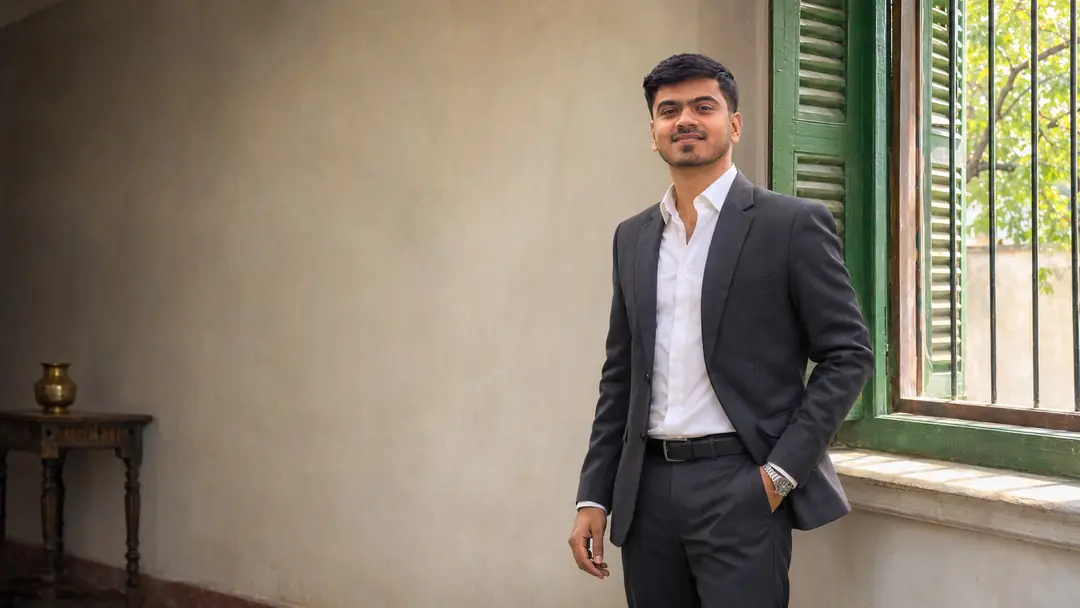
Thirty unhurried minutes with Dr. Aditya, in Patna or on video. You leave with a written plan and a date to check back in.