→Digestion, Acidity and Gut Health
Acidity, Gas and IBS Ayurvedic Treatment in Patna
The antacid strip lives in your bag. Every wedding feast ends in burning, every stressful week ends in bloating, and your stomach has a mood of its own. Ayurvedic treatment for acidity, gas and IBS in Patna with Dr. Aditya Kunal (BAMS) starts with the question most quick fixes skip: why is your digestion struggling in the first place? Gut and metabolic health is the main focus of his practice.
In person in Patna, or online from anywhere in India.
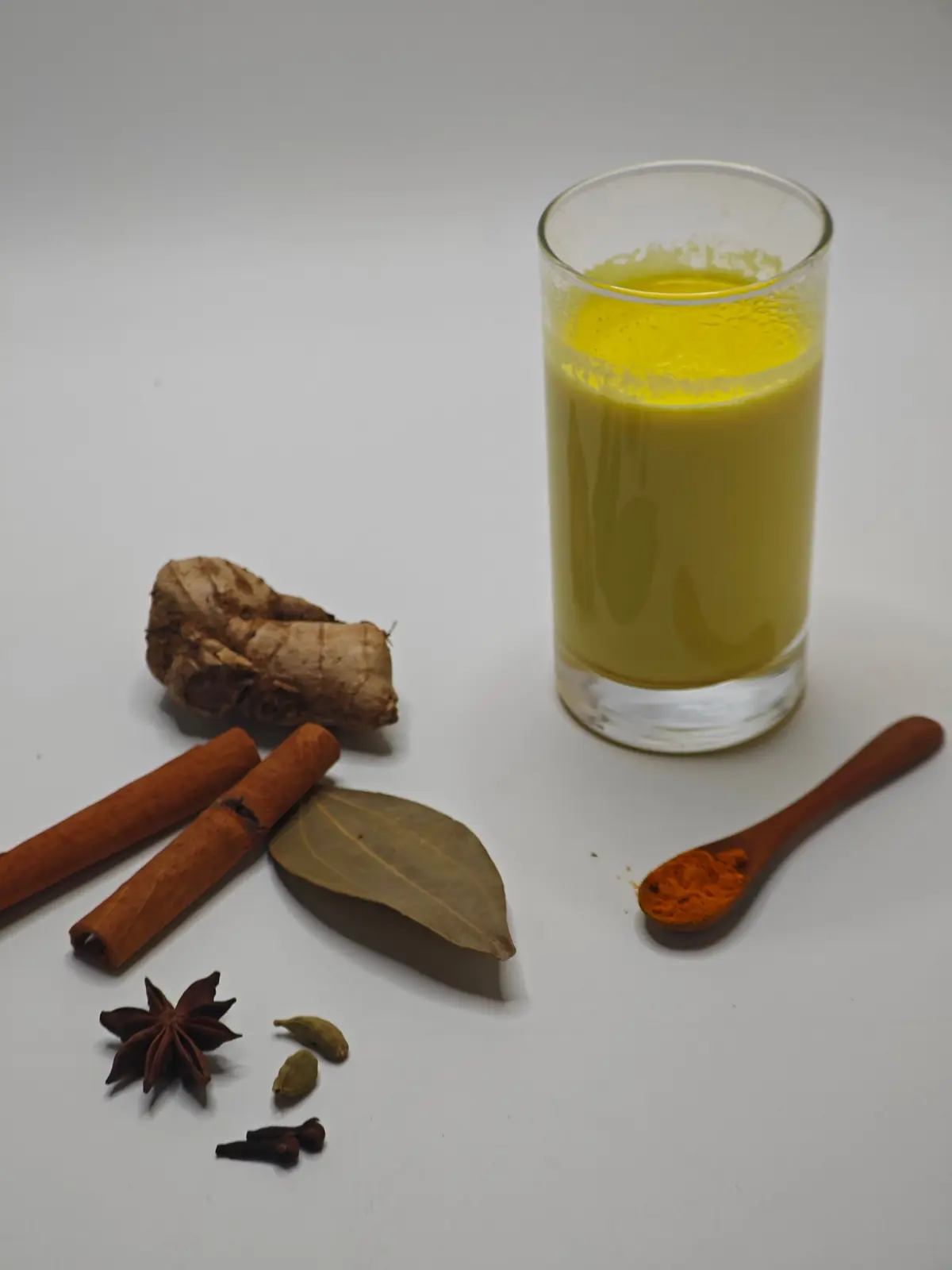
Digestive complaints are the single most common reason people consult an Ayurvedic doctor in India, and for good reason. Ayurveda puts digestion at the centre of health. The classical texts describe agni (digestive fire) as the force that turns food into nourishment, and they trace a long list of problems back to agni that is too weak, too sharp or too erratic. This page explains how we work with acidity, gas, bloating, constipation and IBS-type complaints, what you can do at home, and when you need a hospital instead.
The gut problems we help with
| Complaint | Classical name | Typical pattern |
|---|---|---|
| Acidity, heartburn, sour belching | Amlapitta | Worse with spicy, sour, fried food, late meals and stress |
| Gas and bloating | Adhmana, anaha | Belly swells as the day goes on, worse after heavy or rushed meals |
| Constipation | Vibandha | Hard or infrequent stools, dry diet, low water, irregular routine |
| IBS-type complaints | Grahani | Alternating loose and hard stools, cramps, urgency, linked to stress |
| Heaviness, poor appetite, coated tongue | Ama and mandagni | Sluggish after meals, low energy, no real hunger |
For a deeper read on two of these, see our articles on acidity and amlapitta and IBS and grahani in Ayurveda.
Why the antacid alone is not enough
Antacids and acid-reducing tablets have their place, and if your doctor prescribed them, keep taking them as advised. But they lower acid; they do not ask why it is rising. In clinic, the same handful of habits shows up again and again behind chronic acidity and bloating:
- Skipped breakfast, a huge lunch and a late heavy dinner.
- Eating fast, at the desk or in front of a screen.
- Tea on an empty stomach, several times a day.
- Spicy, fried and sour street food, often late at night.
- Lying down within an hour of dinner.
- Stress, poor sleep and long sitting hours.
Ayurveda calls many of these viruddha ahara (incompatible eating) and ajirna (eating before the last meal is digested). Fixing them is often more powerful than any single remedy.
How a gut consultation works
What Dr. Aditya asks about
- Exactly when symptoms come: empty stomach, right after meals, at night, in the morning.
- Stool pattern: frequency, consistency, straining, urgency, mucus.
- Meal timings, speed of eating, tea and coffee intake, water intake.
- Stress, sleep and work pattern, because the gut reacts quickly to all three.
- Medicines and supplements, including painkillers, which can irritate the stomach.
- Any past tests: endoscopy, ultrasound, stool or blood tests.
What the plan includes
- A short eat-this, avoid-that list built for your pattern, not a generic chart.
- Meal rhythm and portion changes you can start tomorrow.
- Home measures reviewed for safety, such as jeera water, ajwain, saunf after meals or takra (thin spiced buttermilk), where they suit you.
- Herbs or classical formulations only when needed, from licensed manufacturers, checked against your current medicines.
- Follow-ups until your pattern settles, then less frequent check-ins.
Acidity: a closer look
In Ayurvedic terms, acidity is usually aggravated pitta: heat and sharpness in the digestive tract. Patna summers, with their dry loo winds, make it worse for many people, and so do festival seasons full of fried snacks. The plan typically cools and steadies:
- Regular meals, no long gaps, and no eating within two to three hours of bed.
- Less chilli, vinegar, pickles, fried food and fermented batter for a while.
- More cooling, easy foods: lauki, tori, moong dal, rice, homemade curd at lunch rather than at night, coconut water in summer.
- Tea after food rather than on an empty stomach.
Bloating, gas and constipation
These lean toward aggravated vata: dryness, irregularity and movement in the wrong direction. Warm, cooked, slightly oily food, a fixed routine and enough water usually help more than raw salads and cold drinks. Fibre matters, but adding a heap of raw roughage overnight can make bloating worse. We increase it gradually.
A morning routine helps constipation more than people expect: wake at the same time, a glass of warm water, a short walk, and an unhurried visit to the toilet at the same time daily. Triphala is a well-known classical option, but it does not suit everyone, and long-term use of any laxative should be guided by a doctor.
IBS: the gut-brain connection
The NHS lists stomach pain or cramps that ease after a bowel movement, bloating, and diarrhoea, constipation or both as the main symptoms of IBS, with alcohol, caffeine, spicy or fatty foods, stress and anxiety among the common triggers. It recommends seeing a doctor if symptoms last more than four weeks. That matches the classical description of grahani closely, where weak agni and a disturbed mind feed each other.
So IBS care here always includes the mind: a steadier daily routine, better sleep, gentle movement and simple breathing practice, alongside diet. Many IBS patients also benefit from a proper medical workup first to rule out other causes, and we will tell you if you need one.
Gut care through Patna's seasons
Ayurveda's seasonal routine, ritucharya, takes it for granted that digestion changes with the weather, and anyone who has lived through a Bihar year knows it does. The same plate that suits you in January can trouble you in June.
| Season | What tends to happen | What usually helps |
|---|---|---|
| Summer (April to June) | More acidity, low appetite, dehydration in the loo | Lighter meals, sattu, coconut water, less chilli and fried food |
| Monsoon (July to September) | Weak digestion, loose stools, stomach infections | Freshly cooked warm food, boiled water, skip street chaat and raw salads outside |
| Winter (November to February) | Strong appetite, heavier eating, constipation for some | Enjoy seasonal food in sensible portions, enough water, daily movement |
Festivals deserve their own mention. Chhath, Diwali and the wedding season all bring rich food and broken routines. Nobody expects you to skip thekua or a wedding feast. The trick is to keep the day around it light: a simple breakfast, a small dinner and a walk afterwards.
Desk jobs, coaching classes and a slow gut
A large share of our gut patients are students in coaching classes and young professionals who sit for nine or ten hours a day. Long sitting slows the bowel, irregular meals confuse hunger, and late nights push dinner to midnight. If this is you, three changes usually matter more than any herb:
- Stand up and walk for three to five minutes every hour.
- Carry a proper lunch so you are not living on packaged snacks.
- Protect your dinner time, even on exam weeks, and keep it simple.
What follow-ups look like
The first follow-up is usually two to three weeks after your consultation. We go through your diary, see which triggers stand out, and adjust the food list and routine. If a herb or formulation was suggested, we check how you tolerated it. Over the next few visits the plan gets simpler, not more complicated, because the aim is for you to understand your own gut well enough that you need us less often. If something is not improving the way we expected, we say so and discuss further tests with you.
Your 10-day gut reset checklist
- Eat three meals at roughly the same times every day.
- Sit down, put the phone away and chew properly. Give each meal at least 15 minutes.
- Finish dinner at least two to three hours before bed.
- Move tea and coffee to after breakfast, not before it.
- Swap one fried or packaged snack a day for fruit, roasted chana or makhana.
- Take a 10 minute walk after lunch and dinner.
- Drink water through the day, warm in winter, at room temperature in summer.
- Keep a symptom diary: food, time, stress, symptoms and stools.
- Note which meals feel heavy for hours afterwards.
- Bring the diary to your consultation.
Bihari food that is kind to the gut
You do not need imported superfoods for a healthier gut. Many traditional Bihari foods already help when eaten sensibly:
| Food | How it can help | Watch out for |
|---|---|---|
| Sattu drink | Filling, cooling in summer, gentle fibre | Too much at once can bloat some people |
| Chura with curd | Light, easy breakfast or lunch | Curd at night can feel heavy for many |
| Moong dal khichdi | Very easy to digest during flare-ups | Add vegetables so it is not only starch |
| Takra (thin buttermilk with jeera) | Classical favourite for grahani and heaviness | Fresh is better than sour, day-old |
Ayurveda's central idea of agni ties all of this together. Our explainer on agni, the digestive fire is a good companion read.
Red flags: go to a hospital, not a clinic
Please seek urgent medical care, for example at PMCH, IGIMS or AIIMS Patna, for any of these:
- Blood in stool, black tarry stools or vomiting blood.
- Unexplained weight loss.
- Difficulty or pain while swallowing.
- Persistent vomiting, or severe or worsening abdominal pain.
- A hard lump in the abdomen, breathlessness, palpitations or unusually pale skin.
- New digestive symptoms after the age of 50 that have not been checked.
Ayurvedic care is for long-standing functional complaints, not for these warning signs.
Gut care in Patna and online
The clinic is near Bajrang Puri, and digestive complaints bring in patients from every corner of the city. Many come from Bajrang Puri itself and from Patna City, where heavy, festive cooking is part of daily life, while office-goers from Danapur often book an evening slot.
Digestive problems are well suited to an online Ayurvedic consultation, because the plan depends so much on your history, routine and diary. A 30 minute video call is Rs 399, with the same written plan and follow-ups as an in-person visit, wherever you are in India.
Weak digestion often sits under blood sugar and weight problems too. If you also have high sugar or prediabetes, our diabetes lifestyle care page explains how we combine the two plans.
Let us fix the cause together
If your stomach has been running your life, it is time for a plan that looks at the whole picture: food, timing, stress and sleep. Bring your diary, your reports and the strip of antacids, and let Dr. Aditya Kunal help you understand your gut and build a routine that keeps it calm. Visit near Bajrang Puri or book a video consultation.
Frequently asked questions
Is acidity just a diet problem?
Often meal timing, stress and sleep matter as much as the food itself. Late dinners, tea on an empty stomach and rushed meals are common triggers. We look at all of them together.
Can I keep taking my antacid or acid-reducing tablet?
Yes. Do not stop prescribed medicines on your own. As your routine improves, discuss any change with the doctor who prescribed them.
Can Ayurveda treat IBS?
Ayurvedic diet, routine and stress care can help many people manage IBS symptoms. IBS is usually long term, so the aim is fewer and milder flare-ups, not an overnight fix. A medical check first is wise.
Is triphala safe for daily use?
Triphala suits many people for short periods, but not everyone, and long-term use of any laxative should be guided by a doctor. Ask at your consultation before starting it.
What should I eat during an acidity flare?
Simple, warm, mildly spiced food such as moong dal khichdi, lauki sabzi, rice and fresh thin buttermilk at lunch. Skip chilli, fried food, pickles and late dinners until it settles.
Do I need an endoscopy?
Not always. If you have red-flag symptoms, are over 50 with new symptoms, or are not improving, your doctor may advise one. We will tell you plainly if you need further tests.
How long before my digestion improves?
Many people feel lighter within one to two weeks of consistent meal timing and habit changes. Long-standing IBS or constipation can take a few months to settle into a steadier pattern.
Can I consult online for gut problems?
Yes. Gut care depends heavily on history, routine and your symptom diary, which work well over video. Anything needing an examination or tests will be referred.
Sources and further reading
We also serve these areas
Other concerns

→Book your consultation
Start with one honest conversation.
Thirty unhurried minutes with Dr. Aditya, in Patna or on video. You leave with a written plan and a date to check back in.