→PCOS and PCOD
PCOS and PCOD Ayurvedic Treatment in Patna
Three months without a period, a scan that says "multiple follicles", weight that will not move and a face full of breakouts before college. If that sounds familiar, you are not alone, and you are not lazy. Ayurvedic treatment for PCOS in Patna with Dr. Aditya Kunal (BAMS) looks at your cycle, appetite, sleep and stress as one connected pattern and builds a realistic plan that works alongside your gynaecologist.
In person in Patna, or online from anywhere in India.
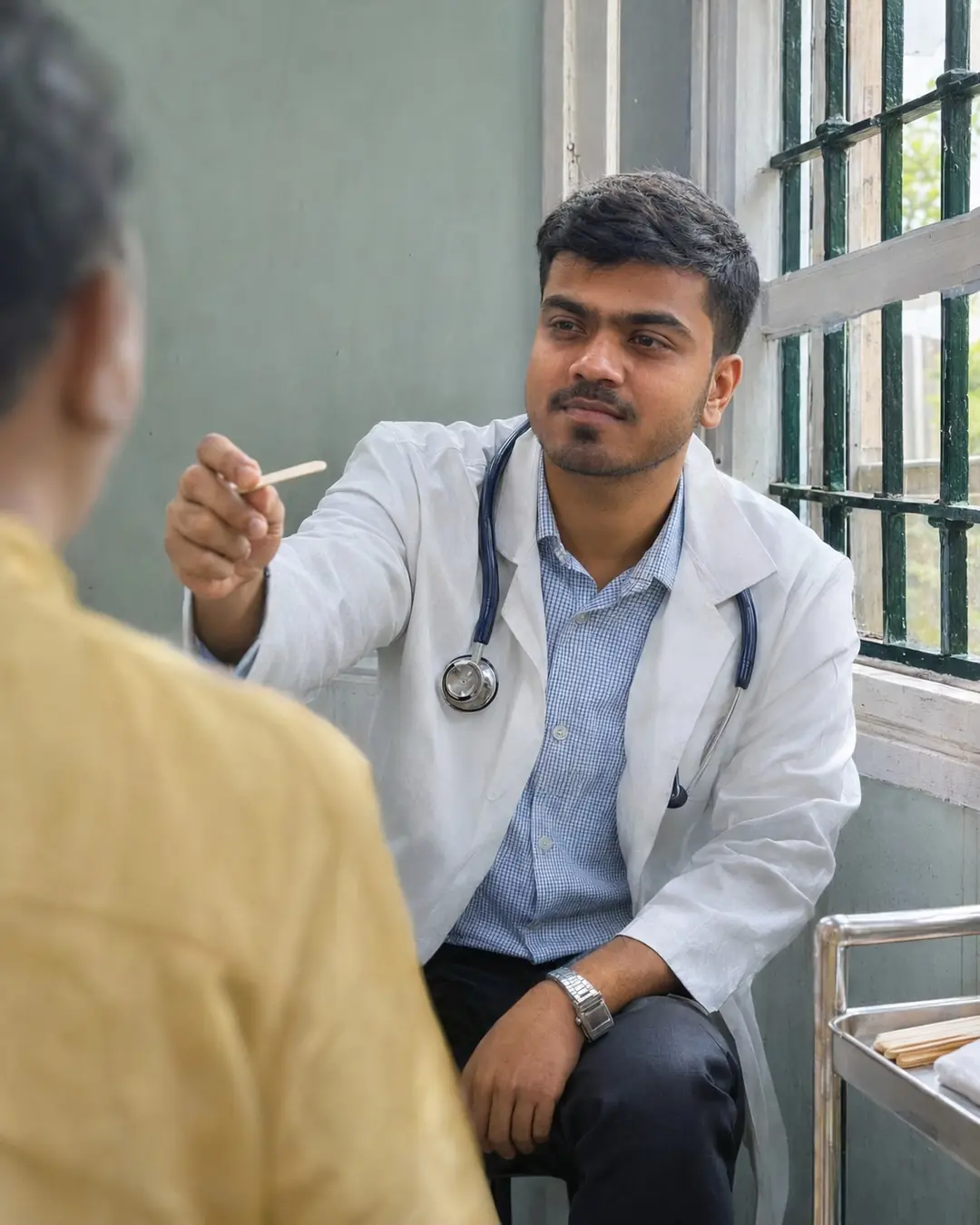
PCOS (polycystic ovary syndrome) and PCOD (polycystic ovarian disease) are names many patients use interchangeably. Whatever your report calls it, the lived experience is usually the same mix: irregular or absent periods, weight gain around the middle, acne, excess facial hair or hair thinning, and moods that swing with the cycle. This page explains how we approach it, what Ayurveda can realistically offer, and how to start.
PCOS in plain words
The World Health Organization estimates that 10 to 13 percent of women of reproductive age have PCOS, and that up to 70 percent of them are undiagnosed. It describes PCOS as a chronic condition linked to insulin resistance, type 2 diabetes, high blood pressure and high cholesterol. There is no cure, and treatment aims to ease symptoms, support fertility and protect long-term health.
That last line matters. Anyone who promises to "finish PCOS in 30 days" is selling something. What we can do is help you manage it well, so that cycles, skin, energy and weight move in the right direction and your long-term metabolic risk stays lower.
How Ayurveda reads the pattern
Classical Ayurveda does not have a chapter titled PCOS. It describes menstrual disorders under artava vyapad (disorders of menstruation) and explains them through the doshas. In many PCOS patients we see a picture of excess kapha (heaviness, stagnation, weight gain) blocking the normal flow governed by vata (movement), often with pitta (heat) showing up as acne and irritability. Weak digestion and ama (undigested metabolic residue) sit underneath much of it.
You do not need to memorise any of this. The practical point is that we treat the pattern, not just the missed period. A plan that fixes digestion, appetite, sleep and movement often helps several symptoms at once.
Common signs we see in clinic
| What you notice | What may be behind it | Where the plan focuses |
|---|---|---|
| Cycles longer than 35 days or missed periods | Irregular ovulation | Routine, meal timing, weight, stress |
| Acne on jaw and chin, oily skin | Higher androgen activity | Diet, sleep, skin routine |
| Facial hair or hair thinning on scalp | Androgen effects | Long-term metabolic and hormonal support |
| Sugar cravings, sleepiness after meals | Insulin resistance | Plate structure, protein, movement |
| Weight gain around the belly | Insulin resistance plus routine | Food, walking, strength work |
For the deeper classical background, read our longer PCOS guide from an Ayurvedic view.
What our PCOS care involves
1. A careful first consultation
Expect about 30 minutes. Dr. Aditya asks about your cycle history (age at first period, cycle length, flow, pain, clots), weight pattern, cravings and energy through the day, skin and hair changes, sleep, stress and any medicines including contraceptive pills or metformin. Bring your ultrasound and hormone reports if you have them: LH, FSH, testosterone, thyroid, prolactin, fasting insulin or HbA1c, and vitamin D.
If you have never been properly evaluated, we will say so. PCOS is diagnosed by a doctor after excluding other causes such as thyroid problems or high prolactin, and we will guide you to get the right tests done.
2. A food plan that steadies appetite
Because insulin resistance drives so much of PCOS, the plate matters. Our approach uses Indian food you already eat:
- Protein at every meal: dal, chana, sattu, curd, paneer, eggs or fish if you eat them.
- Vegetables first, grains last, and smaller portions of rice and maida.
- Millets such as ragi and jowar for part of your grains.
- Fewer sugary drinks, packaged snacks and late night munching during study or work.
- Warm, freshly cooked meals over cold leftovers and fried street food, in line with Ayurvedic ideas about kapha.
3. A routine that fits student or working life
Many of our PCOS patients are college students or young professionals in Patna with irregular days. We build around that:
- A fixed wake time, even on Sundays.
- Movement most days: brisk walking plus two or three short strength sessions a week.
- Lights out before 11 pm as often as possible, with phones away 30 minutes before.
- Simple stress tools: slow breathing, a short walk after classes, or yoga postures that you actually enjoy.
The WHO notes that healthy eating and regular physical activity are recommended for everyone with PCOS, even when they do not lead to weight loss. That is worth repeating to yourself on hard weeks.
A sample day for a Patna student with PCOS
This is an illustration, not a prescription. Your plan is set after your consultation.
- 7 am: warm water, 10 minutes of stretching or surya namaskar.
- 8 am: besan chilla or sprouts with curd, or a glass of unsweetened sattu.
- 1 pm: sabzi and salad first, then dal, then a modest portion of rice or two rotis.
- 5 pm: roasted makhana or chana with a cup of chai, light on sugar.
- 6 pm: a brisk 25 minute walk after classes.
- 8:30 pm: light dinner, such as khichdi with vegetables or roti with paneer bhurji.
- 10:30 pm: phone away, lights out by 11.
4. Herbs, only where they fit
Ayurvedic formulations are sometimes part of the plan, chosen for your pattern, your reports and whether you are trying to conceive. Herbs are not harmless just because they are natural. Some products on the market have quality problems, which the US National Center for Complementary and Integrative Health has warned about. We suggest only licensed products, never a mystery powder, and review them at every follow-up. If you are pregnant or planning pregnancy, tell us at the start.
Lean PCOS: when weight is not the issue
Not everyone with PCOS is overweight. A good number of our patients are slim or of average build and are told, confusingly, to "just lose weight". That advice does not fit. In lean PCOS the plan shifts toward regular meals with enough protein, avoiding long fasting gaps, sound sleep, stress management and, in Ayurvedic terms, calming an aggravated vata rather than reducing kapha. Crash dieting usually makes things worse here, so we steer clear of it.
PCOS myths we hear every week
- "PCOS means I can never get pregnant." Not true. Many women with PCOS conceive, some naturally and some with medical help. Talk to your gynaecologist early if you are planning.
- "I have to give up rice and roti forever." No. Portion, order and the company grains keep on the plate matter more than banning them.
- "Natural means safe, so I can take any herbal mix from the internet." Quality and suitability vary widely. Some products interact with medicines or are wrong for someone trying to conceive.
- "If my scan shows cysts, I have PCOS." Follicles on a scan alone do not make the diagnosis. Your doctor looks at cycles, symptoms and blood tests too.
- "It is just a teenage phase." Irregular cycles are common in the first year or two after periods start, but persistent problems deserve a proper evaluation.
PCOS weight: why it feels harder
Patients often say they eat less than their friends and still gain. That is not imagination. Insulin resistance makes fat storage easier and hunger louder. We focus on what you can control: protein, fibre, meal timing, strength work and sleep. Even modest loss can help cycles in some people, but we set targets with you, not for you. If weight is your main struggle, our article on weight gain and sthaulya in Ayurveda explains the classical view, and our weight management service goes deeper.
Your 4-week PCOS starter checklist
- Start a cycle diary: dates, flow, pain, mood and skin. An app or a notebook both work.
- Add a protein to breakfast every day this week.
- Walk 20 to 30 minutes on at least 5 days.
- Replace one sugary drink or packaged snack a day with roasted chana, makhana or fruit.
- Pick a fixed wake time and keep it for 4 weeks.
- Book a consultation and bring your diary and reports.
Realistic timelines
PCOS changes slowly. In our experience, routine and appetite improve first, often within the first month. Cycles, if they respond, usually take three to six months of consistency to show a clearer pattern. Skin follows a similar slow curve, and hair changes take longest. Results vary a lot from person to person, and some patients will still need medical treatment from their gynaecologist. That is fine. The plan is designed to work alongside it.
Ayurveda and your gynaecologist
Many patients come to us already on contraceptive pills, metformin or fertility treatment. Please continue them. Never stop prescribed medicines on your own; talk to your gynaecologist about any change. Our role is to strengthen the foundation (food, routine, digestion, stress) that every treatment works better on top of.
| Situation | Who leads |
|---|---|
| Diagnosis, scans, hormone tests | Your gynaecologist or physician |
| Contraceptive pills, metformin, fertility drugs | Your gynaecologist |
| Daily diet, routine, sleep, stress plan | Your Ayurvedic plan |
| Herbs while trying to conceive | Only with both doctors informed |
When to get urgent or in-person care
See a doctor promptly for very heavy bleeding, severe pelvic pain, a missed period with a positive pregnancy test, fainting, or sudden rapid weight change. Sudden severe pain on one side of the pelvis needs emergency care. Online consultations are not for these situations.
PCOS care in Patna and online
Dr. Aditya sees patients near Bajrang Puri. A lot of our PCOS patients are students and young working women, and many travel in from Boring Road and the coaching belt around it, or from Kankarbagh. Families in Patna City often prefer a short visit with a parent along, which is always welcome.
PCOS can feel private, and some patients would rather not sit in a waiting room. An online consultation over video for Rs 399 gives you the same full assessment and written plan from your own room, wherever you are in India. Your details stay between you and the doctor.
Period pain or heavy flow without a PCOS diagnosis is a different conversation. Our article on period pain and menstrual health in Ayurveda covers that ground.
Take the first step
You do not need to have it all figured out. Bring your diary, your reports and your questions, and leave with a plan that respects your body, your schedule and your gynaecologist's treatment. Book a visit near Bajrang Puri or a private video call with Dr. Aditya Kunal when you are ready.
Frequently asked questions
Is PCOS the same as PCOD?
The two terms are often used for the same set of problems: irregular cycles, ovarian follicles on scan and hormonal symptoms. Your doctor will explain which diagnosis fits your reports. The lifestyle plan is similar for both.
Can Ayurveda cure PCOS?
No one can honestly promise that. PCOS is a long-term condition. Ayurvedic diet, routine and herb guidance can support better cycles, skin and weight for many people, alongside care from your gynaecologist.
Will my periods become regular?
Many people see their cycle improve with consistent diet and routine changes, but results vary and usually take three to six months. We track your diary together and adjust the plan.
Do I need to stop contraceptive pills or metformin?
No. Continue anything your doctor prescribed. Discuss any change with your gynaecologist or physician. The Ayurvedic plan is built to sit alongside your current treatment.
Is it safe if I am trying to conceive?
Tell us at the start. Herbs are chosen with that in mind, some are avoided, and we prefer that your gynaecologist knows everything you take.
Which reports should I bring?
Ultrasound, thyroid, prolactin, LH, FSH, testosterone, HbA1c or fasting insulin and vitamin D, if you have them. If you have none, we will tell you what to discuss with your doctor.
Can I lose weight with PCOS?
Yes, though it often takes longer because of insulin resistance. Protein at every meal, regular walking, strength work and steady sleep help most. We set a realistic target together.
Can I consult privately from home?
Yes. A video consultation covers the full assessment and written plan, and your details stay private between you and the doctor.
Sources and further reading
We also serve these areas
Other concerns

→Book your consultation
Start with one honest conversation.
Thirty unhurried minutes with Dr. Aditya, in Patna or on video. You leave with a written plan and a date to check back in.