→Women's Wellness
Women's Health Ayurvedic Treatment in Patna
Cramps that take one day off every month, cycles that arrive whenever they like, tiredness you have been told is "normal for women", and a family that comes first while your own health waits. Ayurvedic treatment for women's health in Patna with Dr. Aditya Kunal (BAMS) builds diet, routine and herbal guidance around where you are right now, from student life to motherhood to perimenopause, working alongside your gynaecologist.
In person in Patna, or online from anywhere in India.
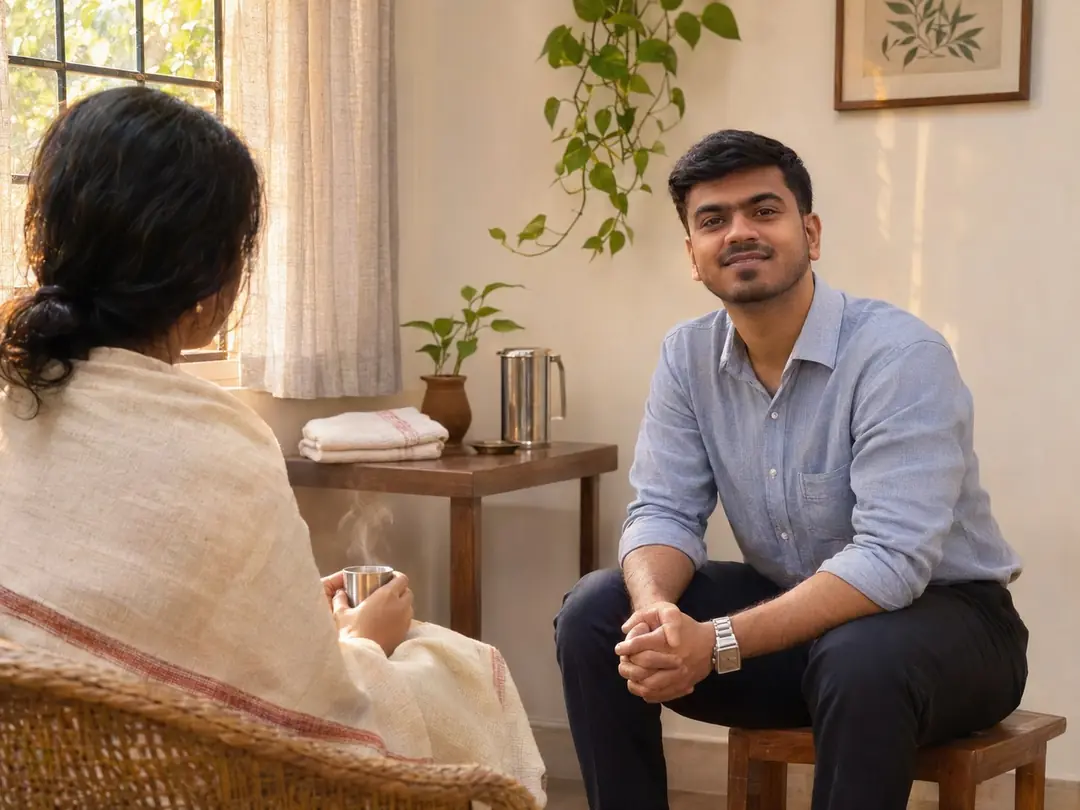
Women's health shifts through the month and across life stages, and Ayurveda has always respected that rhythm. The classical texts devote whole sections to menstruation, pregnancy and postpartum care. This page explains what we help with, how a consultation works, what is realistic, and when you need a gynaecologist first.
What we help with
| Concern | Common pattern | Plan focus |
|---|---|---|
| Period pain | Cramps, back pain, nausea in the first one or two days | Warmth, diet, routine, gentle movement |
| Irregular or delayed cycles | Stress, weight change, thyroid, PCOS | Evaluation, routine, food, stress care |
| PMS and mood swings | Irritability, bloating, cravings before periods | Meal timing, sleep, reduced caffeine and salt |
| Fatigue and low energy | Low iron, poor sleep, overwork | Iron-rich Indian food, reports, rest |
| Postpartum recovery | Exhaustion, back pain, hair fall, weight | Nourishment, rest, safe herbs while breastfeeding |
| Perimenopause | Hot flushes, poor sleep, mood and weight changes | Cooling diet, sleep routine, bone and heart health |
If PCOS or PCOD is the main issue, our dedicated PCOS and PCOD care page covers that in depth.
How Ayurveda looks at women's health
Classical Ayurveda calls menstrual blood artava and treats a regular, comfortable cycle as a sign of good health. It describes a set of menstrual disorders, artava vyapad, and explains most of them through the doshas. Painful periods, called kashtartava, are usually linked to aggravated vata, the principle of movement, when the normal downward flow, apana vata, is disturbed. Heavy flow with heat, irritability and acidity leans toward pitta, while delayed, scanty cycles with heaviness and weight gain lean toward kapha.
Tradition also recommends a lighter routine during menstruation, known as rajaswala paricharya: rest, simple warm food and avoiding heavy exertion. We present these as practical comfort measures, not restrictions, and every woman decides what suits her life.
For a deeper read, see our article on period pain and menstrual health in Ayurveda.
What happens at your consultation
What Dr. Aditya asks about
- Cycle length, flow, number of pad changes on heavy days, clots, pain and mood.
- Energy through the day, sleep, appetite and digestion.
- Diet, especially protein and iron-rich foods.
- Stress at home, work or study.
- Life stage: student, working, planning pregnancy, postpartum, breastfeeding or perimenopause.
- Reports if you have them: haemoglobin, ferritin, thyroid, vitamin D, B12, ultrasound and hormone tests.
- Every medicine and supplement, including contraceptive pills.
What your plan includes
- Cycle-aware diet and routine.
- Gentle, practical guidance for cramps, PMS and fatigue.
- Herb advice checked for safety, including during pregnancy planning and breastfeeding.
- Referral to a gynaecologist when an examination, scan or treatment is needed.
- A follow-up rhythm, usually tracked over two or three cycles.
Period pain: practical comfort that works for many
- Warmth: a hot water bag on the lower abdomen or back.
- Warm, simple food: moong dal khichdi, vegetable soups, ajwain or jeera in cooking, warm water, and less cold, fried and very salty food in the days before your period.
- Gentle movement: walking and light stretching or yoga poses such as baddha konasana and balasana. Avoid intense workouts on the heaviest day if they worsen pain.
- Sleep: an earlier night in the days before and during your period.
- Constipation care: constipation often worsens cramps, so fibre, water and warm food matter.
If pain stops you from studying or working every month, does not respond to these measures, or has been getting worse over time, please see a gynaecologist. Conditions such as endometriosis and fibroids can cause severe pain and need proper diagnosis.
Heavy periods and low iron
The NHS describes heavy periods as needing to change protection every one to two hours, bleeding for more than seven days, passing large clots, or often feeling tired or short of breath. Causes include fibroids, endometriosis, PCOS, bleeding disorders and some medicines. Heavy periods are also one of the commonest causes of iron deficiency in Indian women, which shows up as tiredness, breathlessness on stairs, hair fall and pale skin.
Heavy bleeding needs a gynaecologist's evaluation first. Alongside that, we help with iron-rich Indian food: green leafy vegetables such as palak, bathua and sarson, chana, rajma, til, jaggery in small amounts, and vitamin C from amla, guava or lemon to help absorption. Tea right after meals reduces iron absorption, so we move it to between meals.
Life stages, one at a time
Teens and students
Irregular cycles in the first year or two after periods start are common. Persistent irregularity, severe acne or excess hair growth deserve a check for PCOS or thyroid problems. For students, regular meals, enough sleep and iron-rich food usually do more than any remedy.
Planning pregnancy
Tell us at the start. Many herbs are avoided or used only with care, and we coordinate with your gynaecologist. Folic acid and other supplements prescribed by your doctor should continue.
Postpartum recovery
Ayurveda's postpartum tradition, sutika paricharya, emphasises rest, warm nourishing food and oil massage, which many Bihari families already follow with care. We help adapt it sensibly: warm, easy-to-digest meals, enough protein, gradual return to activity and attention to mood. Any herb must be safe during breastfeeding, and persistent low mood after delivery needs a doctor's attention.
Perimenopause and menopause
Hot flushes, night sweats, poor sleep, mood swings and weight gain around the middle are common. In Ayurvedic terms, this transition often shows vata and pitta rising. Cooling, nourishing food, a regular sleep routine, strength exercise for bones and attention to heart health help many women. Herbs such as shatavari are traditionally used in women's health, though they are not right for everyone. Our shatavari guide covers the benefits and cautions.
Thyroid, weight and the cycle
Thyroid problems are common in Indian women and often hide behind vague complaints: tiredness, weight gain, hair fall, feeling cold, constipation, and periods that become heavier or irregular. If several of these sound familiar and you have never had a thyroid test, ask your doctor about one. If you already take thyroid medicine, continue it exactly as prescribed. The Ayurvedic plan supports energy, digestion and weight around that treatment, and some herbs are chosen or avoided with your thyroid in mind.
Weight and cycles are closely connected too. Both significant weight gain and sudden weight loss can make periods irregular. If weight is part of your picture, our weight management care works alongside this plan.
Fasting, festivals and women's health
Women in Bihar carry much of the region's fasting tradition, from the demanding nirjala fast of Chhath to regular weekly vrats. These are deeply meaningful, and we never ask anyone to give them up. We do help you prepare and recover sensibly: eating well and staying hydrated in the days before, breaking the fast gently with easy food rather than a heavy fried meal, and resting afterwards. Women who are pregnant, diabetic on medicines, anaemic or recovering from illness should discuss long or waterless fasts with their doctor first, because the risks are real.
Your cycle-aware checklist
- Track your cycle for three months: dates, flow, pain from 0 to 10, mood and energy.
- Add one iron-rich food and one source of vitamin C to your day.
- Move tea and coffee away from mealtimes.
- Walk 20 to 30 minutes most days.
- Sleep seven to eight hours, especially in the week before your period.
- Reduce fried, very salty and packaged food in the week before your period.
- Get haemoglobin, ferritin, thyroid and vitamin D checked if you are often tired, after discussing with your doctor.
- Bring your cycle diary to the consultation.
Ayurveda alongside your gynaecologist
| Your gynaecologist handles | Your Ayurvedic plan adds |
|---|---|
| Examination, scans, Pap smears and diagnosis | Diet and daily routine for your cycle and life stage |
| Hormonal pills, fertility treatment, surgery | Digestion, sleep and stress support |
| Pregnancy care and complications | Iron-rich food guidance and energy support |
| Medicine changes | Safe herb advice, coordinated with your doctor |
Never stop prescribed medicines, including hormonal pills, on your own. Discuss any change with your gynaecologist. We also follow the safety caution from the US National Center for Complementary and Integrative Health that women who are pregnant or breastfeeding should check with their doctor before using any Ayurvedic product, because some products may contain harmful ingredients.
When to see a doctor promptly
- Very heavy or prolonged bleeding, or feeling faint or breathless.
- Severe pelvic pain, especially if sudden or one-sided.
- Bleeding between periods, after sex or after menopause.
- A lump in the breast or abdomen.
- A missed period with a positive pregnancy test and pain or bleeding.
- Any suspected pregnancy complication.
For emergencies, go to a hospital such as PMCH, IGIMS or AIIMS Patna.
Women's wellness care in Patna and online
The clinic is near Bajrang Puri. Many of our patients are women from Patna City who come with a family member, working women from Boring Road offices and students from Rajendra Nagar.
Some women prefer to talk about periods and hormones from home. An online consultation is a private 30 minute video call for Rs 399, with a written plan and follow-ups, from anywhere in India. Your details stay between you and the doctor. Dr. Aditya is a trained BAMS physician who treats women's health concerns professionally, and if you prefer a female practitioner or need an in-person examination, we will guide you.
Your health deserves a place on the list
Women often look after everyone else first. If your cycle, energy or mood has been asking for attention, take 30 minutes for yourself. Bring your cycle diary, your reports and your questions to Dr. Aditya Kunal, and leave with a plan built for your body and your stage of life. Visit near Bajrang Puri or book a private video call.
Frequently asked questions
Can I consult privately from home?
Yes. A video consultation covers the full assessment and written plan, and your call and details stay private between you and the doctor.
Can a male doctor handle women's concerns online?
Dr. Aditya is a trained BAMS doctor and treats women's health concerns professionally. If you prefer a female practitioner or need an in-person examination, we will guide you to the right care.
Can Ayurveda help with period pain?
Warmth, diet, routine, gentle movement and, where suitable, herbs help many women manage period pain. Severe or worsening pain needs a gynaecologist's evaluation for conditions such as endometriosis or fibroids.
Is it safe to take Ayurvedic herbs while breastfeeding?
Some herbs are avoided during breastfeeding. Tell us at the start, and check with your doctor before using any Ayurvedic product while pregnant or breastfeeding.
Should I stop my hormonal pills?
No. Continue anything your gynaecologist prescribed. Discuss any change with them. The Ayurvedic plan works on diet, routine and energy alongside your treatment.
Why am I always tired around my periods?
Heavy periods can lower iron, and poor sleep, stress and diet add to it. We review your diet and suggest tests such as haemoglobin and ferritin through your doctor.
Do you help with menopause symptoms?
Yes, with cooling diet, sleep routine, movement for bone and heart health and, where suitable, herbs. Bleeding after menopause always needs prompt gynaecologist review.
How long before my cycle improves?
Cycles usually need two to three months of consistent changes before a clearer pattern shows, and results vary. We track your cycle diary together and adjust the plan.
Sources and further reading
We also serve these areas
Other concerns

→Book your consultation
Start with one honest conversation.
Thirty unhurried minutes with Dr. Aditya, in Patna or on video. You leave with a written plan and a date to check back in.