- Panchakarma cost depends on procedures, duration, medical supervision, medicines, staff and setting.
- Compare what is included, not headline prices: assessment, preparation, procedure, recovery and follow-up.
- Outpatient programmes are usually more affordable than residential ones.
- Cheap packages without a doctor, with reused oil or rushed timelines are false economy.
- Some insurance policies cover AYUSH inpatient care; check with your insurer.
Ask five centres in India what Panchakarma costs and you may get five answers that differ several times over, sometimes for programmes with the same name. One quote includes the doctor, medicines and meals; another covers only massages; a third is a resort package with a room and a pool. No wonder people feel confused, or suspect they are being overcharged.
The cost of Panchakarma in India depends mainly on which procedures you need, how many days the programme runs, whether a qualified doctor assesses and supervises you, the quality and quantity of classical medicines and oils used, whether you stay as an inpatient or visit daily, and the city and type of facility. A short course of supportive therapies costs far less than a full cleansing programme with preparation and recovery. Rather than comparing headline prices, compare what is included. This guide explains each factor so you can understand any quote, and the red flags that make a cheap package expensive in the end. We deliberately do not quote numbers, because they vary widely and change over time.
Why one number does not exist
"Panchakarma" is not one product. It is a framework of five procedures, many supportive therapies and three phases, personalised for each patient. A 7-day course of shirodhara for stress, a 14-day virechana for a skin condition and a 30-day karma basti for chronic back pain are all called Panchakarma, but they involve very different amounts of time, staff, medicine and supervision. Asking "how much is Panchakarma?" is a bit like asking "how much is surgery?" The honest answer is: it depends on what you need.
The main factors that decide the price
1. The procedures chosen
Supportive therapies such as abhyanga, shirodhara and kati basti are relatively simple per session. Core procedures involve more:
- Vamana and virechana need days of preparation with medicated ghee, massage and steam, a monitored procedure day and a recovery diet.
- Basti courses vary with length: 8, 16 or 30 enemas, each needing freshly prepared decoctions or oils.
- Leech therapy requires screening, leeches from a reliable source used for a single patient, and wound care.
- Nasya courses are usually short and simpler.
2. Duration
Programmes typically run from about one to three weeks. Longer programmes cost more in staff time, medicines and, if inpatient, accommodation. See how long Panchakarma takes for realistic timelines.
3. Medical supervision
A programme led by a registered Ayurvedic doctor, with a proper consultation, daily review and monitoring during procedures, costs more to run than one led only by therapists. This is the factor most worth paying for. It is what separates a medical treatment from a massage package, as explained in Panchakarma versus a spa detox.
4. Medicines and oils
Classical medicated oils and ghees are prepared through long processes with many herbs, and procedures like shirodhara or pizhichil use large quantities. Good centres use fresh oil for each patient. Cheaper setups may reuse oil between patients or use low-grade products, which is a hygiene and quality problem. Internal medicines prescribed during and after the programme are often charged separately.
Medicine quality also has a safety dimension. The US National Center for Complementary and Integrative Health notes that some Ayurvedic products have been found to contain lead, mercury or arsenic. Products from licensed manufacturers with clear labelling, batch numbers and good manufacturing practice reduce that risk, but they cost more than unlabelled powders.
5. Therapists and staff
Many procedures need one or two trained therapists working together for 45 to 90 minutes, plus support staff to prepare oils, decoctions and meals. Experienced, well-trained staff cost more and are worth it.
6. Inpatient versus outpatient
In Kerala and in resorts, Panchakarma is often residential, so the price includes a room, meals and nursing. In many cities, including Patna, most patients live at home and visit daily, which removes accommodation costs. Outpatient programmes need more discipline from the patient, particularly with diet and rest, but are usually far more affordable.
7. Facility, city and setting
Rent, equipment, hygiene standards, hospital accreditation and location all affect price. A luxury resort charges for ambience and hospitality. An Ayurvedic hospital charges for medical infrastructure. A small doctor-led centre may offer the medical essentials with fewer frills.
8. Tests and follow-up
Blood tests, an ECG where indicated, follow-up consultations and post-programme medicines can add to the total. They are part of doing it safely.
Comparing quotes: what a proper programme includes
| Item | What to look for | Why it matters |
|---|---|---|
| Consultation and assessment | Named BAMS or MD (Ayurveda) doctor examines you first | Decides whether Panchakarma is safe and which procedure suits you |
| Preparation phase | Digestive preparation, snehapana, abhyanga, swedana listed | Without it, cleansing is harsher and less effective |
| Main procedure | Specific procedure named, with monitoring | Confirms it is a medical programme |
| Recovery diet | Samsarjana krama explained, meals provided or written plan | Recovery is part of treatment |
| Medicines and oils | Whether included, and from licensed makers | Quality and hidden costs |
| Follow-up | Review visit or call after the programme | Lets the doctor adjust your maintenance plan |
When you compare two quotes, line them up against this table. A lower price that leaves out assessment or recovery is not cheaper; it is a different, lesser service.
Red flags in cheap packages
- No doctor consultation before procedures, or a "consultation" done by a sales executive
- A fixed menu where everyone gets the same therapies regardless of condition
- "Full Panchakarma in 3 days" or similar compressed programmes
- Vamana or virechana offered without preparation or without monitoring
- Oil reused between patients, or unclean linen and equipment
- Leeches reused across patients
- Promises of cures for diabetes, thyroid disease, cancer or other serious conditions, which are both misleading and against Indian law
- Pressure to stop your regular medicines
- Heavy upselling of expensive proprietary products with unclear ingredients
Complications from a poorly run programme, such as dehydration, infection or a fall, can cost far more, in money and health, than the difference in price.
Red flags in expensive packages too
High prices are not a guarantee either. Be cautious of programmes where most of the cost is luxury rooms and spa services while the medical side is thin, where a "doctor" is only a name on the brochure, or where you are told everyone needs the longest, most expensive programme. A good doctor sometimes recommends less, not more.
Ways to keep Panchakarma affordable without cutting corners
- Start with a consultation, not a package. You may need only one procedure, or only supportive therapy.
- Choose outpatient care if you live locally and can manage diet and rest at home.
- Plan the season so the programme is efficient and you do not need to repeat it because of poor timing.
- Follow the recovery diet and maintenance routine, which makes results last and reduces the need for repeat programmes.
- Ask about health insurance. Since 2024, the insurance regulator IRDAI has asked insurers to cover AYUSH treatment on par with other systems, but this generally applies to inpatient treatment at recognised AYUSH hospitals, and most outpatient Panchakarma is not covered. Policy terms, limits and eligible facilities vary, so check directly with your insurer before you book.
- Ask for an itemised estimate listing procedures, number of sessions, medicines and follow-up.
Questions to ask before you pay
- Who will assess me, and what are their qualifications and registration?
- Which procedures are planned for me, and why?
- What exactly is included in the price, and what is extra?
- How many sessions, and how long is each?
- Are medicines and oils included? From which manufacturers?
- What happens, and what does it cost, if I need extra days or have a complication?
- What is your refund or rescheduling policy if the doctor decides I am not suitable?
The last question matters. A responsible centre may assess you and advise against cleansing; you should know in advance how that is handled.
Hidden costs people forget
When budgeting, the price on the quote is not the only cost. Patients often overlook:
- Time off work. The procedure day and the first recovery days need full rest, and some preparation days are tiring. For many people, lost working days matter as much as the treatment fee.
- Travel and stay. If you come to Patna from another district or state, daily travel or a nearby stay for one to three weeks adds up. Plan the whole programme plus a buffer of a couple of days.
- Food at home. The recovery diet is simple, but someone has to cook it at the right times. If the centre does not provide meals, factor this in.
- Post-programme medicines. Many doctors prescribe a few weeks of internal medicines or rasayana afterwards.
- Repeat programmes. Skipping the maintenance routine often means needing another programme sooner, which is the most expensive mistake of all.
A note on value
The value of Panchakarma lies less in the number of massages and more in getting the right procedure, at the right time, done safely, followed by changes you can sustain. A modest, well-supervised programme that fits your condition is worth more than an elaborate package that does not. Our guide to choosing a Panchakarma centre in Patna covers quality checks in more detail.
Getting a clear estimate
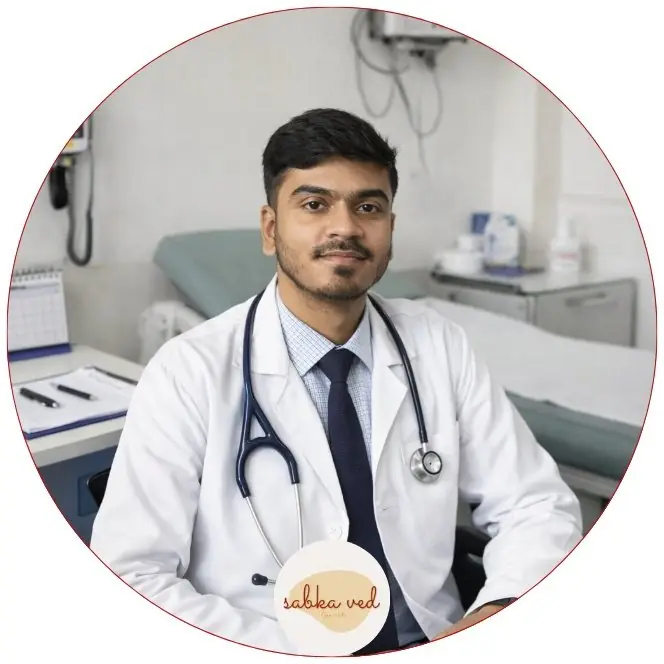
The only way to know what your programme will involve, and cost, is an assessment. Dr. Aditya Kunal sees patients in Patna, decides which procedures, if any, are appropriate, and explains the plan before you commit. If you are outside Bihar, an online consultation is a 30-minute call for Rs 399 where you can discuss your history first. Sabka Ved Wellness does not publish fixed package prices because programmes are planned after assessment; you can request an appointment through panchakarma.dradityakunal.com.
Frequently asked questions
Why do Panchakarma prices vary so much?
Because programmes differ in procedures, length, supervision, medicines and setting. A spa package and a doctor-led medical programme are not comparable.
Is a residential Panchakarma better than outpatient?
Not necessarily. Residential care helps with discipline and monitoring, but outpatient programmes work well for people who live nearby and follow diet and rest instructions.
Does health insurance cover Panchakarma?
Some policies cover AYUSH treatment as an inpatient at recognised hospitals. Terms vary, so check with your insurer before booking.
Are medicines included in the Panchakarma cost?
It depends on the centre. Ask for an itemised estimate showing medicines, oils and follow-up separately.
Why does Sabka Ved Wellness not list package prices?
Programmes are planned after assessment, so the procedures and duration differ for each patient.
